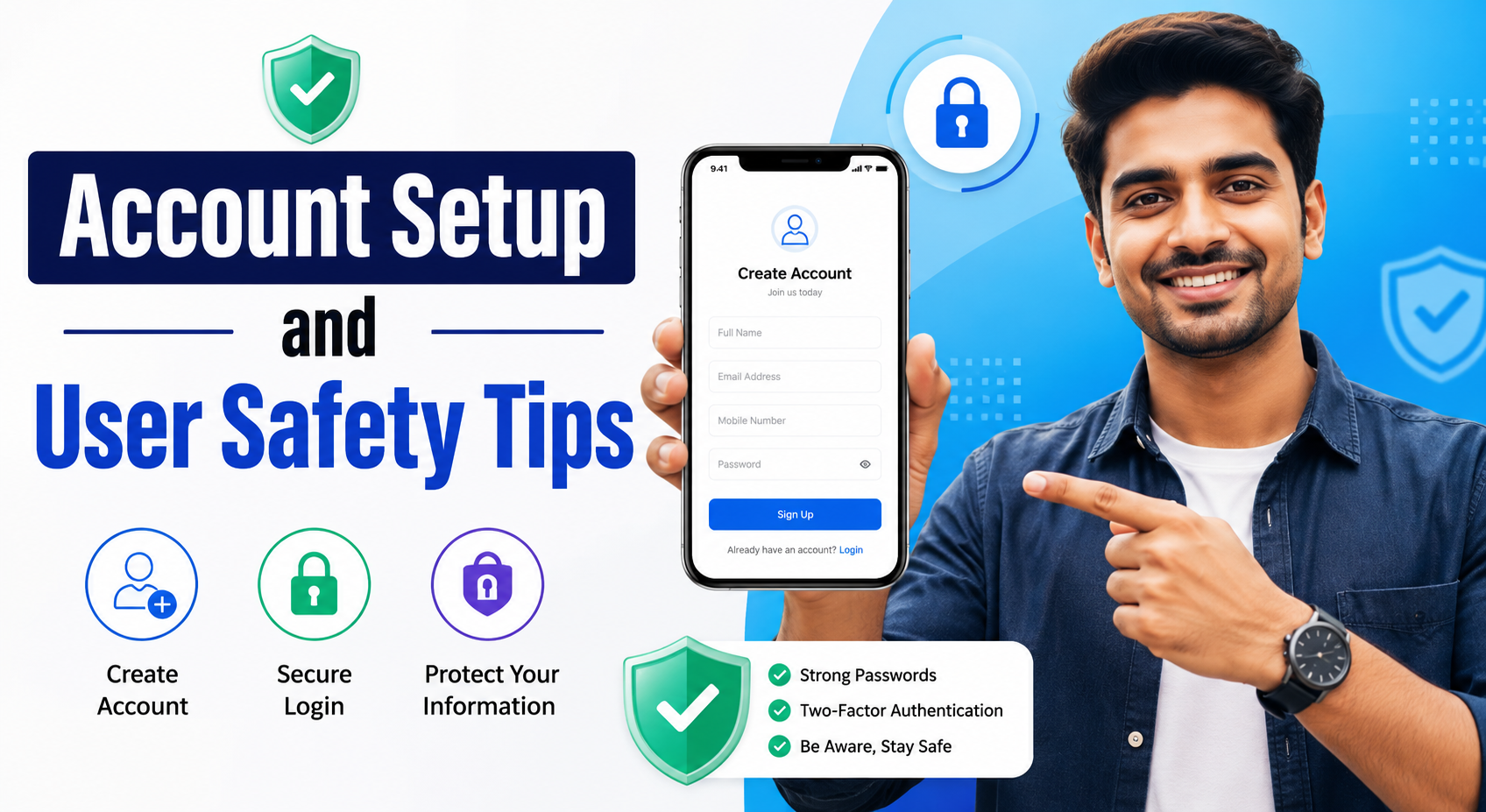
A platform access guide is helpful for users who want to understand account setup, login steps, privacy checks, and safety basics before sharing personal details online. Some people may search for terms like share slot.com when trying to understand a specific access page, but the safer and more useful way to approach the topic is to focus on account protection, verified sources, privacy settings, and responsible platform use. For Indian readers, this matters because digital platforms often collect phone numbers, email IDs, device information, login history, and sometimes other sensitive details.
A sign-up page can look simple. Enter a mobile number, verify an OTP, set a password, and continue. But users should not treat every access page the same way. Before creating an account, it is worth checking who operates the platform, what information is being requested, whether policies are visible, and whether support is easy to find.
India’s Digital Personal Data Protection Act, 2023 allows personal data processing only for a lawful purpose, either with user consent or certain legitimate uses. That makes privacy and consent important parts of account setup, not just legal fine print.
How It Works
Most digital platforms follow a familiar access flow. A user opens the website or app, checks the homepage, clicks sign up or login, enters basic details, verifies identity through OTP or email, and then reaches the account dashboard.
That process sounds normal, but the safe approach is to review each step. Users should ask why a platform needs certain details. A mobile number may be needed for login verification. An email may be used for alerts or password recovery. A password helps protect the account. But if a platform asks for extra details too early, such as identity documents, financial information, or broad device permissions, users should slow down.
A proper access page should explain the account process clearly. It should not hide important terms, force unnecessary downloads, or rush users through confusing steps. A platform that values users will usually show privacy policy, terms of use, support contact, and account rules in visible places.
This is where an account protection checklist becomes useful. Before creating an account, users can check the source, review permissions, read basic policy points, and confirm whether the support route looks official.
Platform Overview, Features, and Access
A trustworthy platform should make its purpose clear. Users should be able to understand what the platform offers, how account access works, and what happens after sign-up. If the page is full of vague claims, unclear buttons, or repeated prompts, that is a reason to pause.
The most important features are often simple. A secure login screen, profile settings, password reset option, notification controls, privacy settings, activity history, and help center all make the platform easier to manage. These are not decorative features. They are user safety signals.
A good dashboard should not confuse new users. It should show where to update account details, where to manage privacy, where to review activity, and where to contact support. If users cannot find these basic sections, account management may become difficult later.
Access also includes source verification. Users should avoid links from random messages, unknown groups, copied pages, or shortened URLs. A safer platform should have an official website, verified listing, or clearly identified operator page. If the source cannot be checked, users should not rush into account setup.
Safe Login and Account Setup Checks
The first login safety rule is simple: never share OTPs. OTPs are meant for the user only. If someone asks for an OTP through chat, call, or social message, that is a warning sign.
The second rule is to use a strong password. Avoid names, birthdays, phone numbers, or repeated passwords from other accounts. If a platform supports two-step verification, users should turn it on.
The third rule is to check the URL before logging in. Fake pages can copy the design of real platforms. Look carefully at spelling, domain structure, and whether the page feels official. Small mistakes in the URL can lead users to unsafe copies.
The fourth rule is to avoid public Wi-Fi for sensitive login activity. If users must use public Wi-Fi, they should avoid entering private details unless the connection and page are trusted.
The fifth rule is to review account recovery settings. A forgotten password should be recoverable through a secure email or phone number. If the recovery process is unclear, users may face trouble later.
Privacy and Data Safety in India
Privacy should be checked before sign-up, not after a problem appears. India’s DPDP framework was created to regulate digital personal data processing and to recognise the individual’s right to protect personal data.
For everyday users, this means platforms should explain what data they collect and why. The privacy policy should mention the type of information collected, purpose of use, data sharing, storage, user rights, and complaint process. It does not have to be perfect, but it should be readable.
The Digital Personal Data Protection Rules, 2025 were notified by MeitY in November 2025, according to regulatory reporting, and they operationalise India’s DPDP law through implementation timelines and compliance obligations.
This is relevant to users because many platforms collect personal information during account setup. A user may provide a phone number, email ID, device information, location data, or identity-related details. Before sharing anything, users should ask: is this information necessary for the feature I am using?
If the answer is not clear, it is better to pause.
Safety and Legal Awareness in India
Users do not need to become legal experts before creating an account, but they should understand basic platform safety signals. A responsible platform should show rules, privacy policy, user agreement, grievance contact, and support details.
India’s intermediary rules expect online intermediaries to publish user-facing rules, privacy policy, and user agreements. This supports a basic user expectation: important terms should not be hidden from users.
Before trusting any platform, readers can compare important claims with a regulatory updates source or official public information, especially if a platform asks for sensitive details, identity verification, payment-related information, or location access.
Another practical point is user responsibility. Users should not create accounts with false details, share login access, or use unofficial methods to bypass account checks. These actions can create safety and access problems later.
A safe platform experience depends on both sides. The platform should explain things clearly, and the user should review before signing up.
What Users Should Check Before Creating an Account
Start with the source. Where did the link come from? If it was shared through a random message, private group, or comment section, do not open it blindly. Search for the official source first.
Next, check the platform identity. Is there a clear name, support email, help page, or operator information? If a platform looks anonymous, users should be cautious.
Then check the privacy policy. Look for simple answers. What data is collected? Why is it collected? Can users contact support? Is there a complaint process? Can account details be updated or removed?
After that, check permissions. A basic account page should not ask for unrelated access to contacts, files, SMS, microphone, or camera unless there is a clear reason.
Also check the tone. A reliable platform usually uses calm, clear language. If the page uses pressure, urgent prompts, confusing claims, or repeated pop-ups, users should step back.
Finally, check support. A help center, ticket form, support email, or official contact page is better than random social replies.
Tips for Users and Best Practices
Use official links whenever possible. This is the simplest habit and also one of the strongest safety steps.
Do not reuse passwords. If one account gets exposed, repeated passwords can put other accounts at risk.
Keep OTPs private. No support person should need your OTP or password.
Review logged-in devices if the platform offers that option. Remove unknown sessions.
Limit permissions. Give apps and platforms only the access they actually need.
Turn off unnecessary notifications. Some platforms send too many alerts, and that can become distracting.
Save important support messages. If you raise a complaint or change account details, screenshots can help later.
Check account settings after sign-up. Many users create accounts and never review privacy controls. A few minutes in settings can make the account safer.
Do not rush. A trustworthy platform gives users enough information to decide calmly.
Conclusion
A platform access guide should help users understand account setup, login safety, privacy checks, and responsible online habits before they create an account.
For Indian readers, privacy and account protection are now more important than ever. Digital platforms may collect personal data, and users should know what they are sharing, why it is needed, and how support can be reached.
The safest approach is simple: verify the source, read the basics, protect login details, check permissions, and use only clear support channels. A trusted editorial website should guide users with practical safety advice, not pressure or hype.